How my long, solo hikes can help you...

Updated: Feb 7
As I outlined in the "About Me" page, I love long, solo hikes. Here are my learnings from these hikes:
Clarity and being at peace with yourself:
My first solo hike was in 2009 in Canada. I was a new immigrant and didn't have friends in this country - I was reasonably fit and decided to go solo in a provincial park - yes, one with bears. It was just an overnight hike and I barely slept because every sound felt like a threat.
Fast forward 15 years and hundreds of solo kilometers later:
I love being alone in the wild
I'm completely at ease with my own thoughts
I'm comfortable with silence - sometimes for days at a time.
Why this matters: I bring this clarity and calmness into every conversation. I aim to help you feel comfortable with yourself.
Preparation:
The mistakes I made in my early 2000s hikes taught me a lot—mainly how important preparation is, especially when you’re hiking alone. You need to be physically strong and mentally ready to spend days without talking to another person and completely disconnected from society. Before any long hike, I train for months to make sure both my body and my mind are ready for the adventure.
Why this matters: I bring this same level of preparation into our conversations—drawing from coaching frameworks and insights from my study of the brain to support you in the best way possible.
Planning:
Anyone who has hiked will relate to this: long, multi-night hikes take months of planning. You need time to train, sort out travel to the trailhead, and book campsites at the right distances.
It’s an iterative process, and things don’t always go the way you want. Sometimes a campsite isn’t available and you have to push through a longer day to reach the next one. You learn to adapt, adjust, and keep moving.
Why this matters: I bring that same meticulous, thoughtful planning to your goals and to the execution strategies we build together.
Planning^2 (some people call this Contingency Planning):
Plans are plans and some are bound to fail. When you are alone in the wild, you've got to have plan B and plan C for everything:
Your sleeping bag gets wet, you pull out the emergency blanket you carried;
Your tent seam give up on you - you repair on the field with the kit you carried
You run out of gas due to a container leak - you rely on energy bars that you intentionally overpacked
If you need to take a detour and spend an extra day on the trail, you’re fine because you carried two days of backup food.
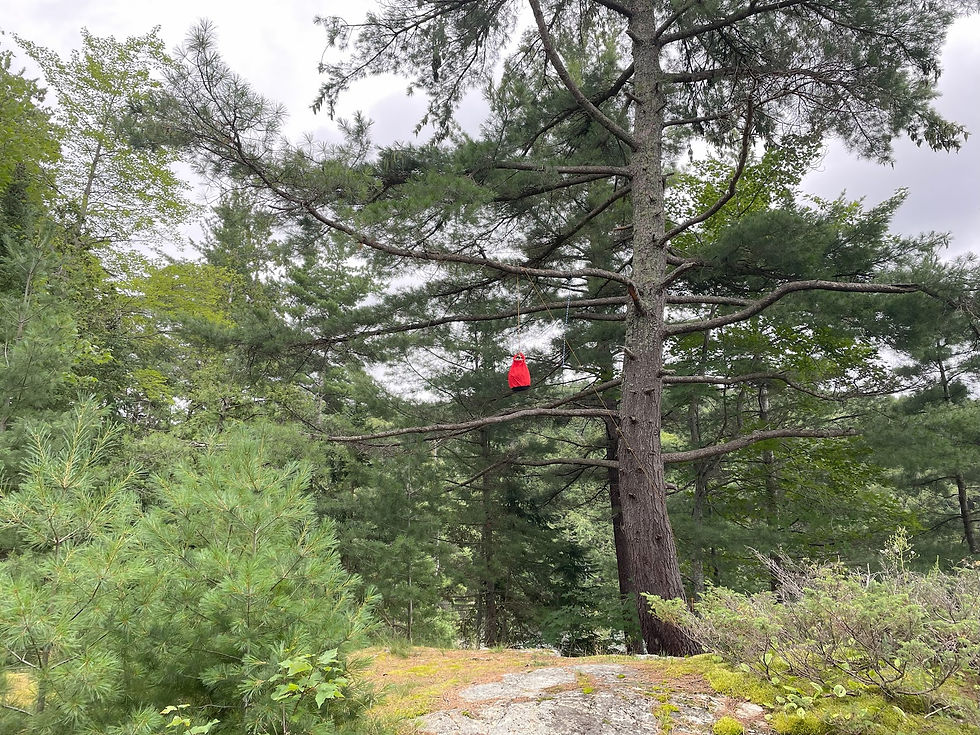
Why this matters: Plans don’t always go the way we expect. When they fail, we adjust, pivot, and move forward. I’ll help you build that same skill—planning well, staying flexible, and knowing how to navigate setbacks with confidence.
Problem Solving:
In 2024, I started a solo, 80km, multi-night hike in a Canadian provincial park. After a 400 km drive to the trailhead and a 10 km hike to the campsite, I realized I had a fever. No sleeping bag—just an emergency blanket—and I had to decide: turn back or take it one day at a time.
The next day, I hiked over 20 km while feeling weak, hoping the morning would bring relief. On the third morning, I finally felt dialed in—stronger, clearer, steady. Looking back, I remembered every moment I doubted myself and wanted to quit.
There have been many moments like this on the trail where problem-solving wasn’t optional—it was survival.
Why this matters: I bring the same mindset and problem-solving skills into our conversations, helping you navigate challenges and find practical solutions in your own life.
If you’ve read this far and feel like you could use a guide on your journey, you know the next step: email me at coach@athma.ca
Athma
Life coach, Toronto, Canada


